

About CAMPFIRE
The Communal Areas Management Programme for Indigenous Resources (CAMPFIRE) was initiated in 1989 by the Zimbabwean government to support community-led development and sustainable use of natural resources. The legal basis of CAMPFIRE is the 1975 Parks and Wildlife Act, which allows communities and private landowners to use wildlife on their land in a sustainable manner for their socio-economic benefit.
As the first nationwide community-based natural resource management (CBNRM) programme in Africa, CAMPFIRE paved the way for CBNRM, particularly among its neighbouring countries in southern Africa. The adoption of sustainable use as a strategy for promoting biodiversity conservation marked a pivotal shift from the colonial-era protectionist mindset to a community-led conservation approach.
CAMPFIRE’s success over the years is the result of collaborative efforts by CAMPFIRE Service Providers, which include the Zimbabwean government’s wildlife, natural resources and local government ministries and departments, and selected local environmental non-governmental organisations, with support from major donors such as the United States Agency for International Development (USAID) in the early years of the programme.

Despite the programme lacking sufficient legal provision for the predominant or exclusive control and management of natural resources by communities, CAMPFIRE has been able to demonstrate that it is a legitimate form of biodiversity conservation.
Through flexible, evolving conservation guidelines and principles, CAMPFIRE has helped establish effective conservation communities at the district, ward and village levels. These communities manage wildlife, control grass burning and tree cutting, and carry out other community-based activities, often in the absence of donor funding. In major wildlife districts, the functionality of these local level institutions has been enhanced by direct payments of income from private sector partners since 2007.
CAMPFIRE is guided by one main objective: to enhance voluntary participation of communities in a flexible programme of natural resources management through a system of participatory ownership and decision making, with defined rights of access for communities residing in natural resource rich areas.
The CAMPFIRE model (for wildlife management purposes) is based on three main criteria:
- Participation in communal wildlife areas is entirely voluntary and based on the interest by defined communities and their respective RDCs. These areas exist at the discretion of the communities and are not mandated or formalised by law.
- The presence of viable wildlife populations that can yield sustainable and economically meaningful returns is essential. Since communities primarily rely on subsistence farming, they retain the right to determine the acceptable species diversity and population levels on their land.
- Income from wildlife harvesting is shared between the community and its RDC. This revenue is calculated based on the number of animals harvested within a given area during each hunting season.
The management of other natural resources besides wild animals also requires the voluntary participation of clearly defined communities. It has been legally possible for some communities to establish special purpose vehicles such as Community Trusts to drive business ventures for these resources, usually in partnership with the private sector and the RDCs.
About CAMPFIRE Association
The CAMPFIRE Association in Zimbabwe plays a crucial role in community-based wildlife management and conservation, working closely with Rural District Councils (RDCs) to enhance local governance and resource management. The CAMPFIRE Association registered as a Private Voluntary Organisation (PVO) in 1994 to manage wildlife for community benefit after the 1982 Parks and Wildlife Act amendment.
The Association works with the Ministry of Environment, Climate and Wildlife (MECW), Zimbabwe Parks & Wildlife Management Authority (ZimParks), the Ministry of Local Government, Public Works and National Housing, and other stakeholders to deliver tailored support to communities. The Association advocates for sustainable development and promotes links between the tourism industry and local livelihoods, ensuring long-term benefits of conservation efforts for communities.
The Association engages with Rural District Councils (RDCs), their constituent communities and other relevant public and private agencies to implement and support the sustainable development of communal areas through the sustainable utilisation of wildlife and other natural resources.


Our vision: A Zimbabwe where communities coexist with and benefit from wildlife and nature.
Our mission: We provide strategic representation, guidance and support to communities, empowering them to effectively conserve their natural resources and share benefits.
CAMPFIRE Association Board
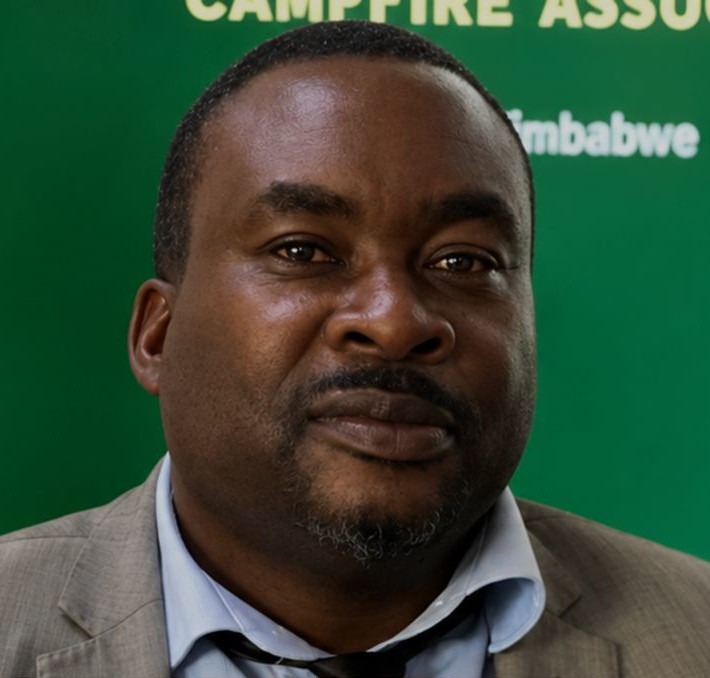
Alderman Lands Ndebele
Board Chairperson
Bulilima Rural District Council

Councillor Sisa Moyo
Board Vice Chairperson
Umguza Rural District Council
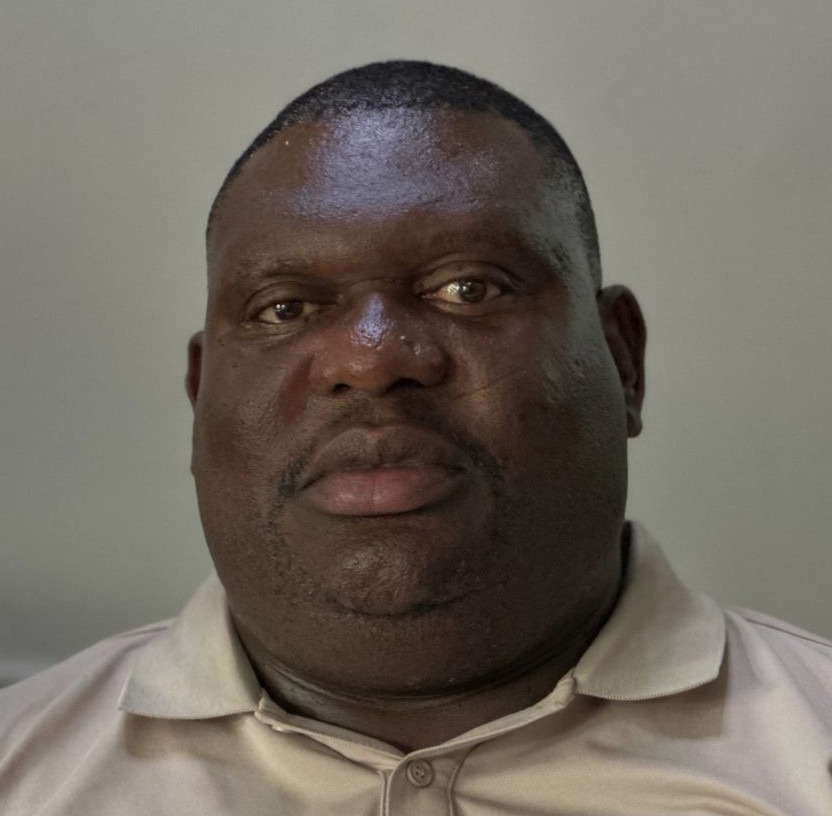
Alderman Oscar Chiromo
Board Secretary
Beitbridge Rural District Council

Alderman Aspect Mashingaidze
Board Treasurer
Chiredzi Rural District Council

Alderman Godfrey Makuyana
Board Member
Chipinge Rural District Council

Mr. Ailes Baloyi
Board Member
Chiredzi Rural District Council

Mr. Nxolelani Ncube
Board Member
Hwange Rural District Council
Alderman Rophas Ndlovu
Board Member
Hwange Rural District Council

Alderman Pascar Mpofu
Board Member
Hwange Rural District Council
CAMPFIRE Association Staff

Lungile Sibanda
Director

Ruvimbo Mutumwa
Monitoring and Information officer

Mfishani Kevin
Projects officer

Stella Gondo
Finance and Administration officer

Emma Jambwa
Office orderly
Organisational Structure
The CAMPFIRE Association is structured similarly to its member RDCs. It’s Board, composed of elected RDC chairpersons, is accountable to the General Assembly and directs an executive to implement its policy decisions.
Wildlife producer communities make decisions through CAMPFIRE Wildlife Committees at Village and Ward levels in each district. Depending on local context, these communities are either embedded in or operate under existing Village and Ward Development Committee structures. The community is represented in the RDC by an elected Councillor. Each ward is required to establish a Wildlife Committee, with at least 7 members elected from the villages within that ward.

Objectives and Principles
The CAMPFIRE Association operates at the nexus of livelihoods, conservation, and development, delivering both socio-economic and ecological benefits that are vital for the wellbeing of local communities in Zimbabwe. By supporting the RDCs in empowering local communities to manage and benefit from their natural resources, the Association creates strong incentives for conservation, fostering a sense of ownership and responsibility among people living in wildlife-rich areas.
This approach helps mitigate human-wildlife conflict by promoting creative solutions that support harmonious co-existence between people and wildlife. It also enhances local economies through eco-tourism and sustainable resource management, providing direct financial benefits to communities.
Additionally, the Association’s efforts in promoting biodiversity contribute to healthier ecosystems, which are essential for maintaining the balance of local wildlife and habitats.

The CAMPFIRE Association is guided by the following strategic objectives:
- To strengthen and advance partnerships and CBNRM governance locally, regionally and nationally.
- To guide and support the implementation of local and provincial CBNRM projects.
- To advocate for the interests and participation of local and provincial stakeholders in national discussions and strategies.
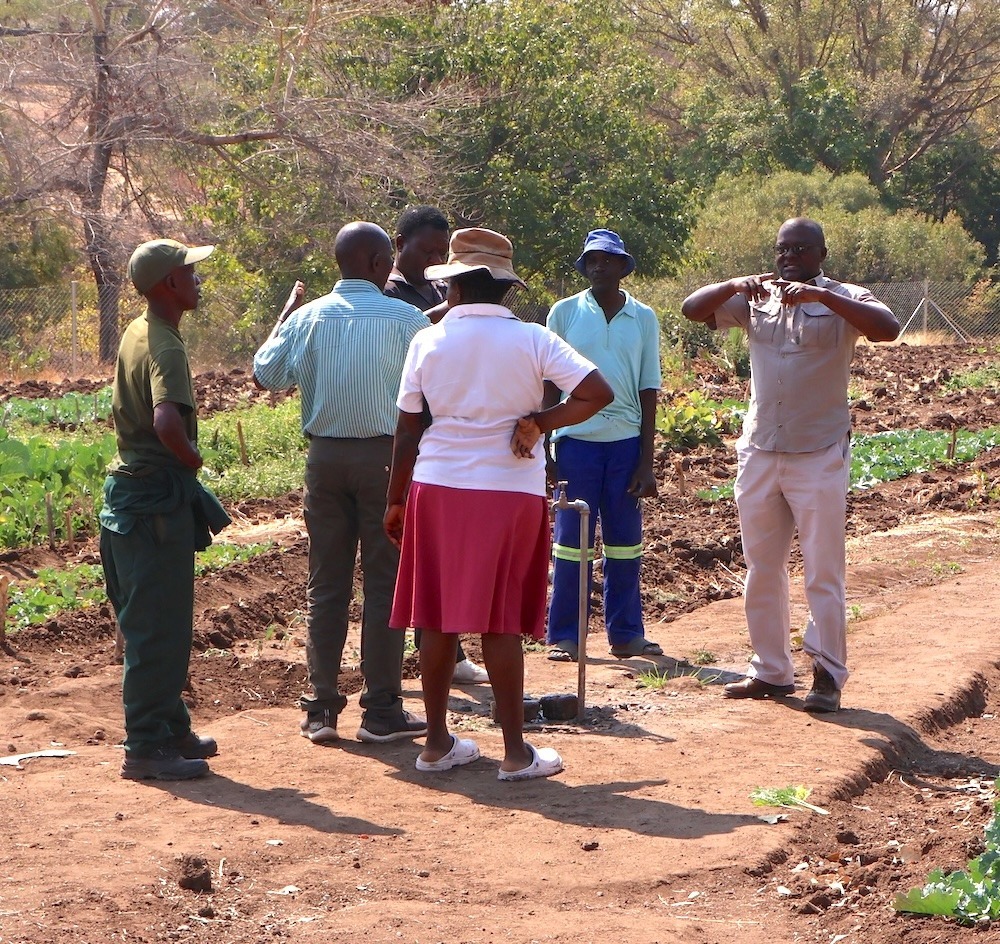
All CAMPFIRE participants are professionals seeking to develop Zimbabwe, with the knowledge that increasing human populations and the impacts of climate change can lead to environmental degradation and unsustainable land-use practices. The CAMPFIRE Association embraces the following principles:
- Community-led conservation and sustainable development. We collaborate with communities to help them define and articulate their needs and goals, enabling them to establish their own CAMPFIRE projects.
- Community ownership of natural resources. We support communities’ rights to use these resources to improve their livelihoods and quality of life.
- Long-term sustainability. We assist communities and their partners in identifying and taking proactive steps to prevent situations that degrade natural habitats and lead to the decline of wildlife populations.
- Partnerships with public and private entities. We assist local government authorities in achieving their development goals and reducing poverty through sustainable practices. We promote and facilitate mutually beneficial partnerships with the private sector.
- High performance, accountability and transparency. We consistently evaluate our progress and communicate with our constituents.
- Equal opportunities and non-discrimination. We support equal opportunities for all community members, regardless of race, gender, or political affiliation, and work to train and empower women as active and effective stakeholders in the community’s economic development.
Financial Sustainability
Income sources
The CAMPFIRE programme’s primary income source comes from safari hunting levies and other wildlife activities such as eco-tourism. The programme operates under current revenue-sharing guidelines, as outlined by the CAMPFIRE framework. Income is distributed as follows: no less than 50% to communities, 26% to RDCs for wildlife and habitat management, 15% for RDC administrative costs, and 4% to the CAMPFIRE Association.
Historically, the CAMPFIRE Association has supplemented wildlife revenue with project funding from international development institutions (e.g., USAID), but securing such funding has become increasingly challenging. The Association, both independently and in collaboration with partners, develops project proposals to obtain donor funding. It is currently supported by Jamma International and Agence Française de Développement (AFD), in partnership with Resource Africa.
The CAMPFIRE Association is committed to supporting the Rural District Councils (RDCs) in meeting community needs, including building local capacity for fundraising, community-led conservation, and the wildlife economy.
Use of funding and report mechanisms
The CAMPFIRE Association uses membership fees and other revenue to support its’ members interests at national and international levels. This includes working with the Zimbabwean government on policies affecting natural resource management, collaborating with non-governmental organisations (NGOs) to support activities at the community level, and sourcing donor funds for new initiatives.
Under the Private Voluntary Organisations Act the CAMPFIRE Association is required to produce an audited set of accounts on an annual basis. These are presented by the Chairman at the Annual General Meeting (AGM). Reports are prepared for specific projects based on agreements with the funding agencies.
Current funding and operational partners
Kavango–Zambezi Trans-frontier Conservation Area (KAZA TFCA) Secretariat
United Nations Development Program (UNDP) – Zambezi Valley Biodiversity Project
Agence Française de Développement (AFD)
World Wide Fund for Nature (WWF)
Ministry of Environment, Climate and Wildlife (MECW)
Ministry of Local Government and Public Works
Rural District Councils