
What CAMPFIRE Does
CAMPFIRE Implementation Support
CAMPFIRE affects the lives of 2.4 million people in an estimated 800,000 households, either directly (200,000 households) or indirectly (600,000 households) through rural development projects. CAMPFIRE helps to protect 50,000 km2, protecting three to five million hectares of wildlife habitat (12.7% of the country). The programme operates in 58 districts, 23 of which report to the CAMPFIRE Association. Income to the programme is generated primarily through levies from 33 hunting safari operators and eight photographic safari operators.
Monitoring, evaluation and learning
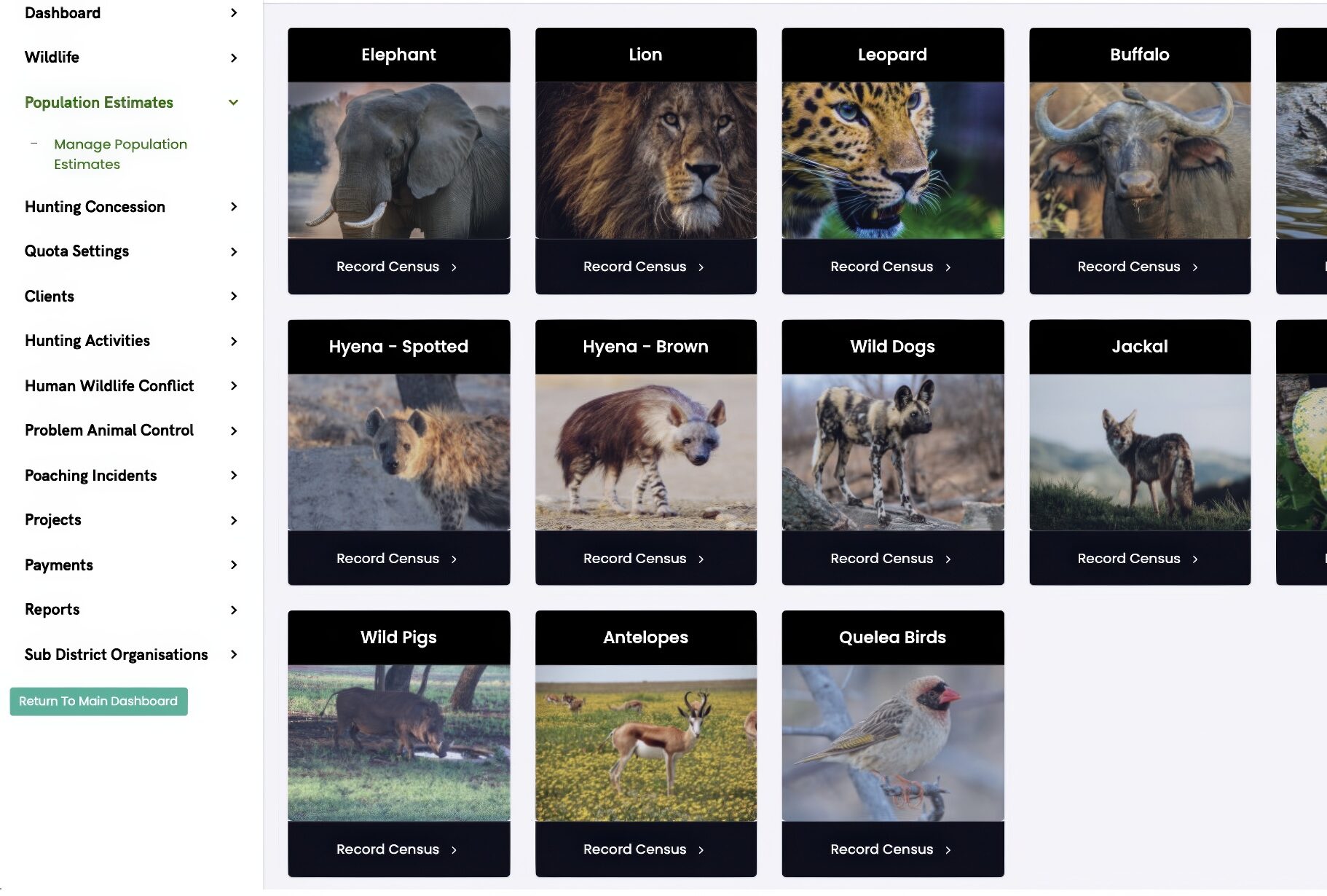
With support from Jamma International, Agence Française de Développement (AFD) and Resource Africa (RA), the CAMPFIRE Association has leveraged technology to develop a robust regional data collection system. This innovative platform ensures seamless data collection, storage, and analysis, providing a reliable repository for informed decision-making and policy development.
The system aggregates data from various sources, including population estimates, hunting concessions, hunting activities, human-wildlife conflict (HWC), problem animal control, and poaching. This cutting-edge technology enables us to harness data-driven insights, fostering informed decision-making, and effective conservation management. The Association then consolidates this information into a report, which is disseminated to key stakeholders (see link below).
Collaborative projects
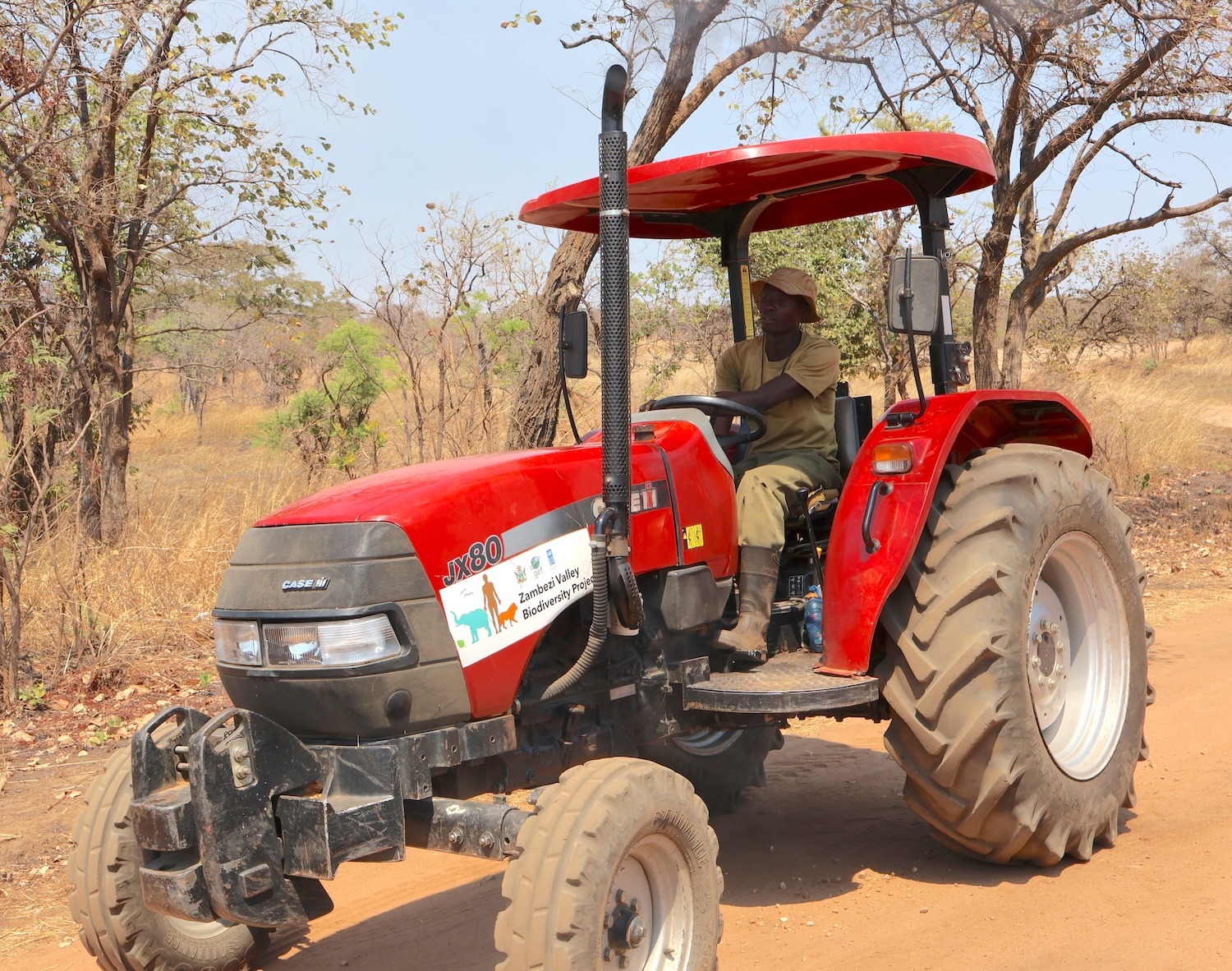
We partner with CAMPFIRE communities as well as public and private entities, to implement projects at the intersection of conservation, livelihoods, and development. The Association provides project management, financial administration, reporting, and governance services for these multi-stakeholder initiatives.
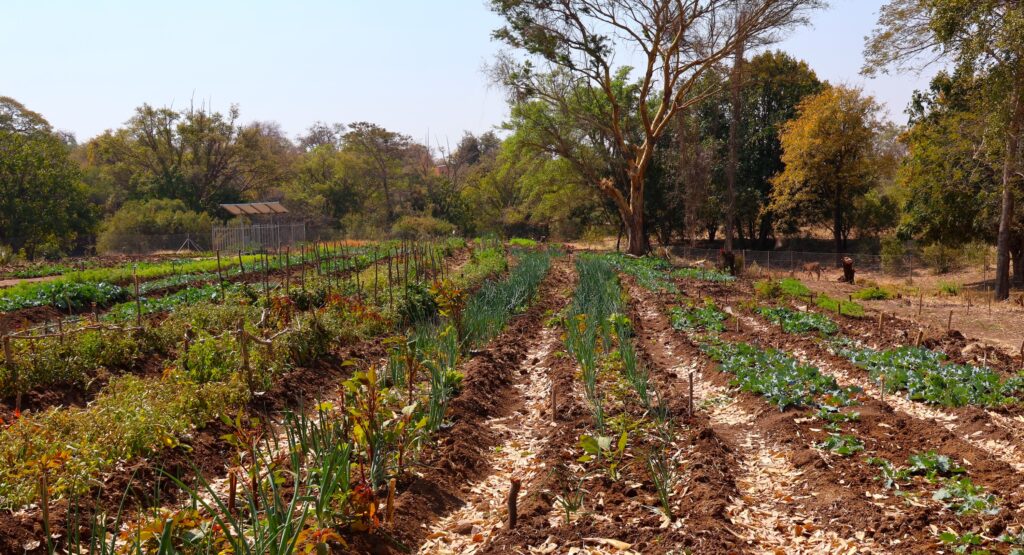
Our projects include addressing human-wildlife conflict (HWC), improving education and health infrastructure, enhancing food security through sustainable agriculture practices, and providing electricity to rural villages.
Partnerships and Governance
CAMPFIRE is governed from the village level through to the Rural District Councils (RDCs), which are represented by the CAMPFIRE Association (for more information, visit About CAMPFIRE). Operating at the national level, the Association is tasked with developing partnerships that benefit communities both nationally and internationally. Local governance structures—at village, ward, and district levels—are critical for ensuring that benefits are distributed equitably and make a tangible impact at the household level.
Developing Partnerships
The CAMPFIRE Association has fostered a strong and growing partnership with the Ministry of Environment, Climate and Wildlife (MECW) and Zimbabwe National Parks and Wildlife Management (ZimParks). These collaborative efforts have led to a harmonised approach to conservation and sustainable development through the national Community Based Natural Resource Management (CBNRM) framework. Our Annual General Meeting provides regular feedback to members and affiliates on progress, as well as the potential for new projects and partnerships.
CAMPFIRE Governance
CAMPFIRE has established a robust governance structure that empowers local communities to manage their natural resources effectively. Through the RDCs, who have the Appropriate Authority status, communities manage wildlife resources and negotiate contracts with the private sector.
The CAMPFIRE committees, comprising community representatives (including women in leadership positions), ensure that community interests are represented and funds are used effectively for development projects. These committees are elected every three years in accordance with the CAMPFIRE policy that governs the programme. Policy states that 43% of the committee members must be women, including chairpersons, secretaries and treasurers. This decentralised approach has led to:
- Increased women’s participation in decision-making;
- Improved community development and infrastructure;
- Enhanced conservation efforts;
- Empowerment of women in leadership roles.
The CAMPFIRE programme’s commitment to gender equality, community-led conservation, and sustainable wildlife management has fostered a model for rural development and natural resource management.
Advocacy and Storytelling
Political will is crucial to support CBNRM and ensure that policies affecting CAMPFIRE areas promote the conservation and sustainable use of wildlife. With its roots in local government bodies (RDCs), the Association is ideally positioned to advocate for the development and implementation of policies that support CBNRM at both national and regional levels.
The Association engages with non-governmental actors both nationally and internationally through online and in-person communications. We host and participate in conferences, think tanks, and forums on CBNRM that promote this conservation approach.
Our blog page showcases the stories of people living in CAMPFIRE areas and the projects that support their livelihoods while contributing to nature conservation.
Where We Work
